On this page
When should you book a mold inspection?
An inspection is the right first step whenever you suspect mold but do not know how far it goes or what is causing it. In Decatur, the common triggers are:
- A musty odor that stays after airing out the room.
- Staining, spotting or bubbling paint on walls or ceilings.
- A leak, an overflow or rain water inside the home, even one that looks dry now.
- A crawl space or basement that stays damp after rain.
- Buying an older home, where the condition needs to be understood.
- Growth that returns after cleaning, which means the moisture source is still active.
What does a mold inspection include?
A mold inspection is a visual assessment with moisture readings. It answers two questions: where is mold growing, and what is feeding it? A typical visit follows these steps:
- Your account. The inspector asks what you have seen or smelled, where, and since when, plus any leaks or water history.
- Visual check. The affected rooms first, then the spaces around them: closets, under sinks, around windows, the air handler and the attic.
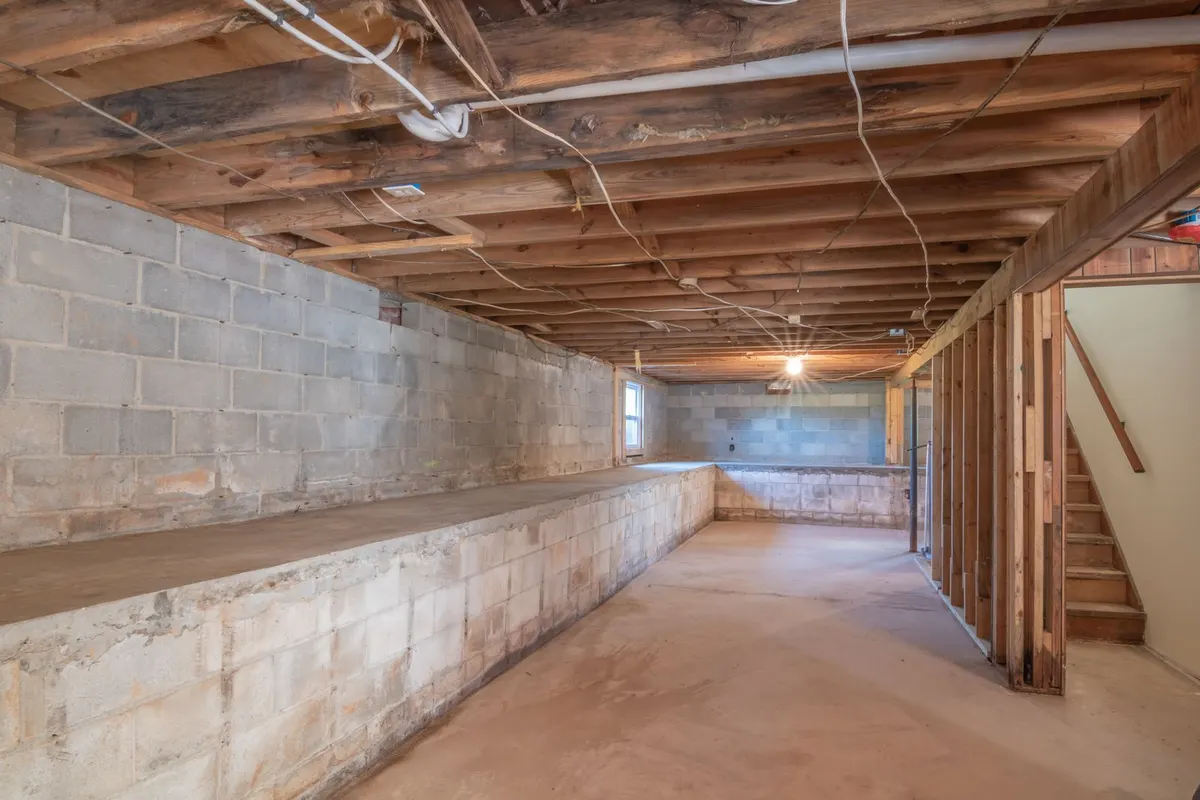
- The crawl space or basement. In older Decatur homes the space under the house is part of every inspection, because that is where many moisture problems start.
- Moisture readings. A meter is used on walls, floors and ceilings near the growth, because damp material shows where water is moving even when the surface looks dry.
- Source tracing. Plumbing, roofing, gutters and drainage, and air-conditioning condensate are checked to find where the water comes from.
- Findings explained. You get a summary of where growth was found, what is causing it, and what the next step should be.
If the findings leave a question that samples would answer, the inspector will explain when mold testing adds value. Testing is a separate step, not a routine part of every inspection.
Why crawl spaces and basements matter in Decatur
Over half the city of Decatur's housing was built before 1980, according to the Census Bureau's American Community Survey, and many older homes sit over a crawl space or basement. These spaces stay cool, and cool surfaces collect condensation from humid air. Ground moisture rises through soil and block walls, and a slow plumbing leak under the floor can run for months before anything shows upstairs. The EPA lists crawl spaces among the hidden areas most often missed after water damage.
An inspector checks the floor framing, the block or brick walls, any vapor barrier on the ground, the plumbing runs and the ducts. Readings in the floor above often show whether moisture is coming up from below.
Why moisture readings matter with year-round rain
The Atlanta area averages about 50 inches of rain a year, spread across every month rather than concentrated in one season. That means a damp basement does not get a long dry spell to recover. It also makes it easy to mistake ordinary seasonal dampness for a leak, or a leak for ordinary dampness. A moisture meter settles it: readings high in one wall and normal in the next point to a water source in that wall, not to the weather.
What you should get at the end of an inspection
- Where growth was found, including the hidden areas that were checked.
- The moisture readings and what they show.
- The likely water source and what needs to happen to correct it.
- Whether testing would change the plan, and why.
- The recommended next step: cleaning, remediation or monitoring.
Common findings in Decatur homes
A damp crawl space under a musty room. The floor framing reads high, the ground has no vapor barrier or a torn one, and downspouts empty against the foundation. The fix starts outside the house as much as inside it.
Growth behind finished basement walls. Paneling or drywall fixed to a block wall traps moisture coming through the masonry. Readings along the base of the wall show how far it runs.
Staining around the air handler. A blocked condensate line or an overflowing drain pan wets the floor and nearby walls during the cooling months.
Inspections for buyers of older homes
A general home inspection notes visible water stains, but it is not a mold inspection. If the Decatur home you are buying has a crawl space, a finished basement or a musty odor, a separate mold inspection with moisture readings shows whether there is an active moisture problem before closing. Ask for the crawl space and the air handler to be included, and keep the findings with your purchase records.
Inspection or testing: what is the difference?
An inspection finds where mold is and why it is there. Testing identifies what kind of mold is present and how much, using samples analyzed by a laboratory. Most homes need the inspection; some also need testing. The inspection findings decide.
What to do before the inspector arrives
- Leave the growth alone. Scrubbing, scraping or spraying can release spores.
- Do not paint over stains; the inspector needs to see them.
- Stop any active leak if you can do so safely.
- Clear access to the crawl-space door or basement, under sinks, the air handler and the attic hatch.
- Note when you first noticed the odor or spots, and any leak history.
When you are ready, call (tracking number) to be connected with an independent local inspector who covers your Decatur ZIP.
Related services in Decatur
If samples are needed, see mold testing in Decatur. For dark growth, see black mold removal. For the full job, see mold remediation in Decatur. In 30033, see North Decatur. Not sure yet? Read the signs of mold in a Decatur home.
Questions Decatur homeowners ask
What does a mold inspection include?
A visual check of the areas where mold is suspected, moisture meter readings in nearby walls, floors and ceilings, a look at likely water sources such as plumbing, roofing and HVAC condensate, and a summary of where growth was found and what is causing it. In Decatur homes the crawl space and basement are part of the check.
When should a Decatur homeowner book an inspection?
Book one when a musty odor does not clear, after any leak or heavy-rain intrusion, when you see staining or bubbling paint, before buying an older home, or when a crawl space stays damp. An inspection is the first step whenever you suspect mold but do not know how far it goes.
Does an inspection include lab samples?
An inspection on its own is visual and moisture-based. If samples would change the plan, the inspector can take air or surface samples for lab analysis; that is the testing service, and the inspector will explain when it adds value.